
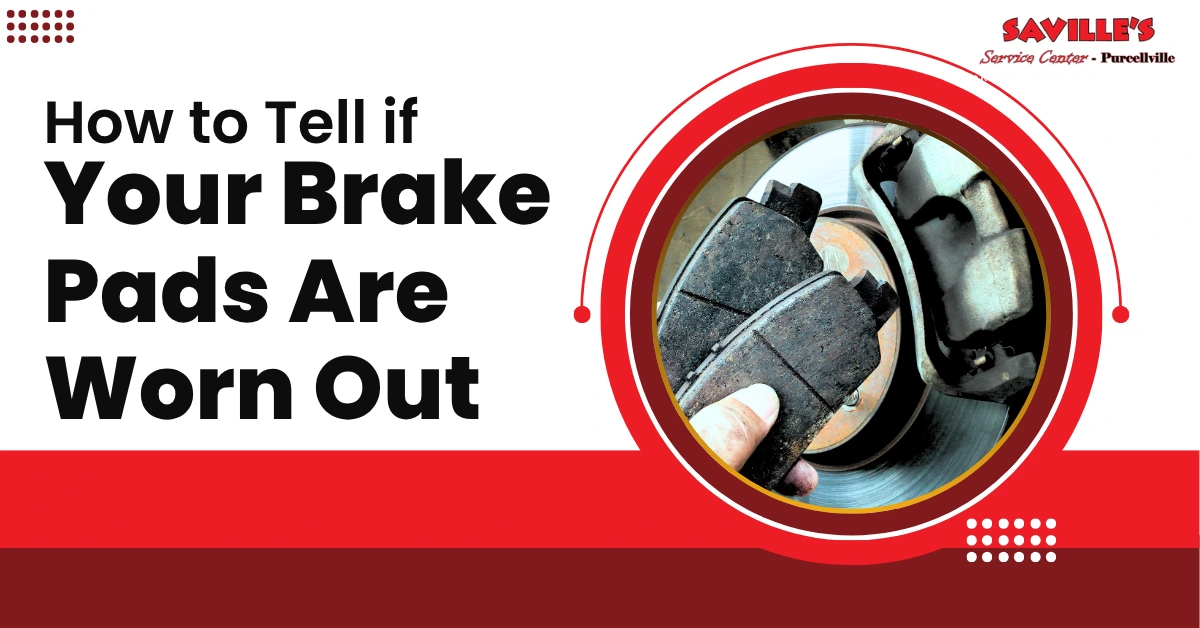
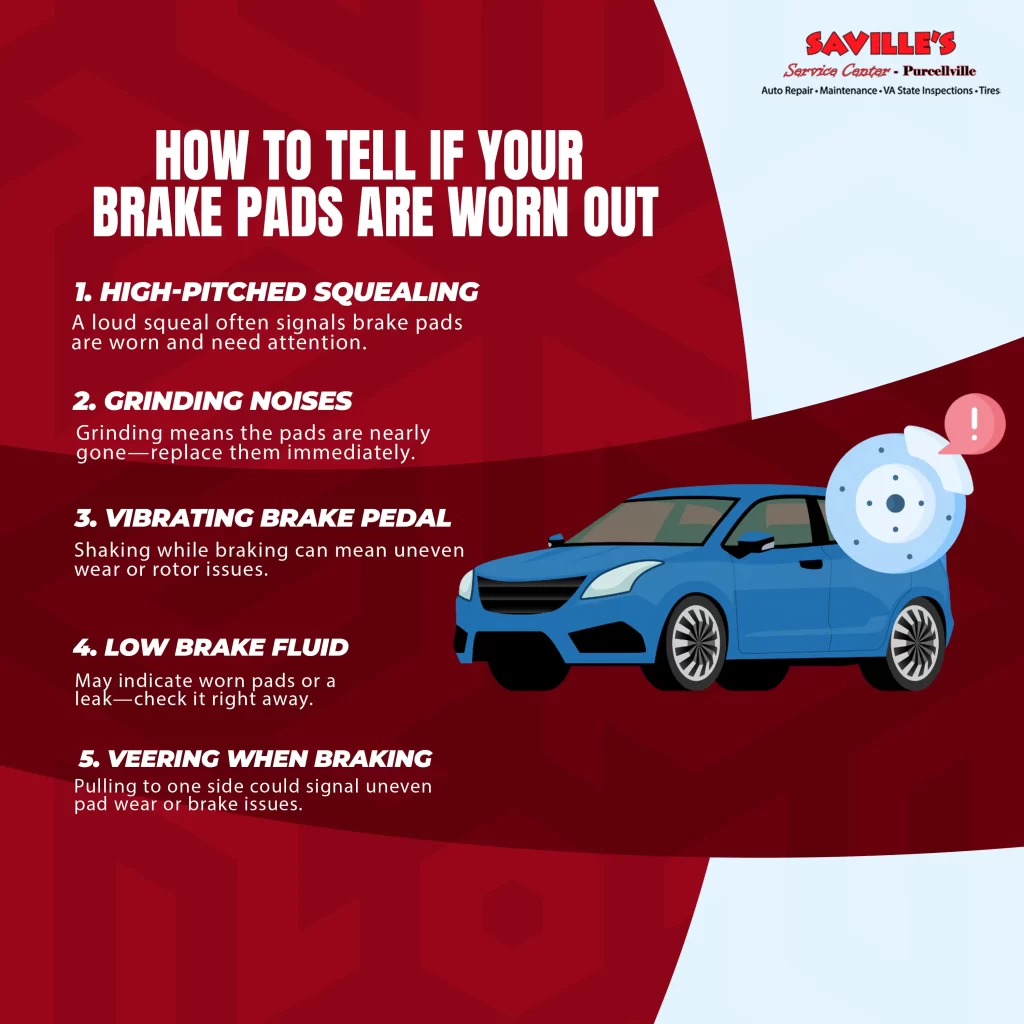
You can tell if your brake pads are worn-out by listening for a high-pitched squealing noise. If you hear grinding sounds, your pads are nearly gone. You might also feel vibrations in the brake pedal, indicating uneven wear. Another sign is if your car starts to veer to one side when you brake. Check your brake fluid level, too; low fluid might mean there’s an issue. Discover more about other symptoms of brake problems.
Key Takeaways
- Listen for high-pitched squealing sounds, which indicate that your brake pads are worn and need replacement.
- If you hear grinding noises, this means the pads are nearly gone, and immediate attention is required.
- Check for vibrations in the brake pedal, as this can signify uneven wear on the brake pads.
- Monitor the car’s stopping power; reduced effectiveness indicates urgent brake pad issues.
- Inspect for low brake fluid levels, as this may suggest worn components affecting brake performance.
Signs of bad brakes
If you hear a squealing sound when you brake, it might be time to check your brake pads. Additionally, if your car starts veering to one side or you notice a low brake fluid level, these are clear signs that your brakes could be in trouble. Staying alert to these warning signs can help keep you safe on the road.
1. A squealing sound
Squealing sounds from your brakes can be a telltale sign that something’s amiss. If you’re hearing that worn-out brake pads sound, it’s time to pay attention. Ignoring those noises could lead to serious issues. Here are some common signs of worn-out brake pads you shouldn’t overlook:
- High-pitched squealing: This indicates the pads are wearing thin.
- Grinding noise: A more severe warning that your pads are almost gone.
- Vibration: If your brake pedal shakes, it may mean uneven wear.
- Reduced stopping power: If it takes longer to stop, your brake pads need immediate attention.
Don’t wait for your safety to be compromised; get those worn-out brake pads checked today!
2. Your car veers to one side
When your car starts to veer to one side while driving, it’s often a sign that your brakes might be failing or unevenly worn. This can be one of the most noticeable worn-out brake pads symptoms. You may notice that the vehicle pulls to the left or right, which can make steering difficult and dangerous. It’s essential to know how to tell if brake pads are worn out, as ignoring this issue can lead to a complete brake failure. Are worn-out brake pads dangerous? Absolutely. They can compromise your ability to stop, increasing the risk of accidents. If you experience this issue, it’s best to have your brakes inspected immediately to guarantee your safety on the road.
3. Low brake fluid level
A low brake fluid level can signal a serious problem with your braking system, as it often indicates a leak or worn brake components. If you notice this issue, it’s essential to act fast. Here are some signs to look for:
- Your brakes feel spongy or unresponsive.
- You see fluid pooling under your car.
- Warning lights on your dashboard illuminate.
- You hear grinding noises, hinting at worn-out brake pads.
If you’re asking, “How do I know if my brake pads are worn out?” keep an eye on these symptoms. What happens when brake pads are worn out? You risk brake failure, which can be dangerous. Don’t wait—schedule a checkup to guarantee your safety on the road!
Signs you need new brake rotors
How can you tell if your brake rotors need replacing? If you notice vibrations or pulsations when you press the brake pedal, it’s a strong sign that your rotors might be warped. Additionally, listen for squeaking or grinding noises; these can indicate that your rotors are worn down, potentially from driving with worn-out brake pads. You may also notice fading or scratches on the rotor, prompting the question: What are the visual signs of worn-out brake pads? If your brake pads are worn out, they can wear down the rotors much quicker. Ultimately, if you experience any of these symptoms, it’s best to have your brake system inspected to guarantee your safety on the road.
Frequently Asked Questions
How Often Should I Replace My Brake Pads?
You should replace your brake pads every 30,000 to 70,000 miles, depending on driving habits and vehicle type. Regular inspections can help guarantee safety and performance, so keep an eye on their condition.
Can Worn Brake Pads Cause Other Issues?
Yes, worn brake pads can lead to other issues. They may cause rotor damage, reduced braking efficiency, and increased repair costs. It’s essential to address brake pad wear promptly to maintain your vehicle’s safety and performance.
What Materials Are Brake Pads Made From?
Brake pads are typically made from materials like ceramic, metallic, or organic compounds. Each type has unique properties affecting performance and durability, so you’ll want to choose according to your vehicle’s needs and driving style.
How Can I Extend the Life of My Brake Pads?
“An ounce of prevention is worth a pound of cure.” To extend your brake pads’ life, drive smoothly, avoid sudden stops, keep tires properly inflated, and schedule regular inspections at Savilles Service Center for peak performance.
Are There Different Types of Brake Pads Available?
Yes, there are different types of brake pads available. You’ve got organic, semi-metallic, and ceramic options, each with unique characteristics. Choosing the right type depends on your driving style and vehicle needs.
Conclusion
So, if you’re hoping to experience that thrilling moment when your brakes decide to take a vacation, just ignore those warning signs. After all, who needs a smooth ride or peace of mind, right? But if you’d rather keep your adventures on the road and avoid unexpected surprises, make sure to pay attention to those squeaks, veers, and fluid levels. Regular upkeep today can prevent a major failure down the line, and trust us, a roadside breakdown is no one’s idea of a good time!