
Did you know that a simple vehicle diagnostic test can save you hundreds, if not thousands, in repair costs by catching issues early? A diagnostic test for your vehicle is a crucial procedure that assesses the health of your car’s systems, identifying potential problems before they escalate into costly repairs. This test uses advanced technology, such as OBD2 scanners, to communicate with your vehicle’s onboard computer, providing insights into its performance and any existing faults. Knowing when to get a diagnostic vehicle test can save you time and money, ensuring your vehicle runs smoothly and efficiently. In this article, we’ll explore how vehicle diagnostic tests work, signs you need one, common fault codes, benefits of regular testing, and the tools involved. The evolution of these diagnostic systems, especially with the introduction of OBD-II regulations, has greatly improved the ability to detect and address vehicle malfunctions.
How a Vehicle Diagnostic Test Works
A vehicle diagnostic test is a systematic evaluation of your car’s electronic systems to detect malfunctions. This process involves connecting a diagnostic tool, typically an OBD2 scanner, to your vehicle’s OBD2 port, allowing the scanner to read data from your car’s computer.
The information retrieved includes diagnostic trouble codes (DTCs) that pinpoint specific issues within your vehicle’s systems. By identifying these problems, you can address them before they lead to more significant damage or safety concerns.
What Is an OBD2 Scanner and Why Is It Important?
An OBD2 scanner is a specialized device that connects to your vehicle’s OBD2 port to retrieve diagnostic information. It plays a vital role in vehicle diagnostics by reading and interpreting DTCs generated by your car’s onboard computer. These scanners come in various forms, including handheld devices and Bluetooth-enabled models that connect to smartphones. They provide real-time data on engine performance, emissions, and other critical systems, making them essential tools for both professional mechanics and DIY enthusiasts. The increasing sophistication of these devices, especially with mobile integration, highlights their growing importance in modern vehicle maintenance.
How Diagnostic Trouble Codes Help Identify Issues
Diagnostic trouble codes (DTCs) are alphanumeric codes generated by your vehicle’s computer when it detects a malfunction. Each code corresponds to a specific issue, allowing technicians to quickly identify the problem. For example, a code like P0301 indicates a misfire in cylinder one, while P0420 points to a catalytic converter efficiency issue. Understanding these codes is crucial for effective troubleshooting and repair, as they guide mechanics in diagnosing and fixing the underlying problems.
When to Get a Vehicle Diagnostic Test
Knowing when to get a vehicle diagnostic test can prevent minor issues from becoming major repairs. Regular testing is recommended, especially if you notice any unusual symptoms or warning lights on your dashboard. Additionally, routine diagnostics can be beneficial during vehicle maintenance or before long trips to ensure everything is functioning correctly.
Signs You Need a Diagnostic Test for Your Vehicle
Several signs indicate that a diagnostic vehicle test may be necessary: Check Engine Light: The most common indicator, this light can signal various issues, from minor to severe. Unusual Noises: Strange sounds, such as knocking or grinding, can indicate mechanical problems. Decreased Performance: A noticeable drop in acceleration or power may suggest underlying issues. Poor Fuel Economy: If your vehicle is consuming more fuel than usual, it may require diagnostics to identify the cause. Recognizing these symptoms can lead to timely interventions, preventing further damage.
How Often Should You Perform a Vehicle Diagnostic Test?
Regular vehicle diagnostic testing should be part of your maintenance routine. It is advisable to have a diagnostic test performed at least once a year or whenever you notice any warning signs. Additionally, conducting a diagnostic test before long trips can help ensure your vehicle is in optimal condition, reducing the risk of breakdowns and enhancing safety.
Common Vehicle Fault Codes and What They Mean
Understanding common vehicle fault codes is essential for diagnosing issues effectively. These codes provide insights into specific problems within your vehicle’s systems, allowing for targeted repairs.
Diagnostic Trouble Codes for Engine and Transmission Issues
Several diagnostic trouble codes are commonly associated with engine or transmission problems. For example: P0300: Random/multiple cylinder misfire detected. P0171: System too lean (Bank 1). P0700: Transmission control system malfunction. These codes help technicians identify the root cause of performance issues, enabling efficient repairs.
How to Interpret Check Engine Light Codes
When the check engine light comes on, it’s important to retrieve the associated DTCs to understand the underlying issue. The first step is to connect an OBD2 scanner to your vehicle’s OBD2 port. Once the codes are retrieved, they can be cross-referenced with a diagnostic manual or online database to determine their meanings. From there, appropriate actions can be taken based on the severity of the codes, ranging from simple fixes to more complex repairs.
Benefits of Regular Vehicle Diagnostic Testing
Regular vehicle diagnostic testing offers many benefits that contribute to the overall health and longevity of your vehicle. By identifying issues early, you can avoid costly repairs and ensure your vehicle operates efficiently.
How Early Fault Detection Extends Vehicle Life
Early fault detection through regular diagnostic testing can significantly extend the lifespan of your vehicle. By addressing minor issues before they escalate, you can prevent major breakdowns and expensive repairs. For example, fixing a small oil leak promptly can prevent engine damage, ultimately saving you thousands in repair costs. Integrating advanced diagnostic processes is crucial for continuous monitoring and early warning capabilities, which help minimize downtime and operational costs.
How Timely Diagnostics Save You Money
Timely diagnostics can lead to substantial cost savings. By identifying and resolving issues early, you can avoid the high costs associated with major repairs. For instance, addressing a faulty sensor can prevent engine misfires, which, if left unchecked, could lead to extensive engine damage and repair costs. Regular diagnostics can also improve fuel efficiency, further reducing your overall operating costs.
Tools and Technologies in Vehicle Diagnostics
The landscape of vehicle diagnostics has evolved significantly with advancements in technology. Modern diagnostic tools offer enhanced capabilities, making it easier to identify and resolve issues.
Features of Modern OBD2 Scanners with Bluetooth
Modern OBD2 scanners come equipped with features like Bluetooth connectivity, allowing wireless data transmission to smartphones or tablets. This lets you monitor vehicle performance in real-time and access diagnostic information conveniently. Many scanners also offer user-friendly interfaces and detailed reporting, making them accessible for both professionals and DIY enthusiasts.
Integration of Diagnostic Tools with Mobile Apps and Telematics
Auto diagnostic tools increasingly integrate with mobile apps and telematics systems, providing comprehensive insights into your vehicle’s health. These integrations allow real-time monitoring of performance metrics, alerts for potential issues, and even remote diagnostics. This technology enhances your overall experience, making vehicle maintenance more efficient and proactive.
Vehicle Diagnostic Test Procedure and Cost
Understanding the typical procedure and costs associated with a vehicle diagnostic test can help you prepare for the process.
Step-by-Step Vehicle Diagnostic Test
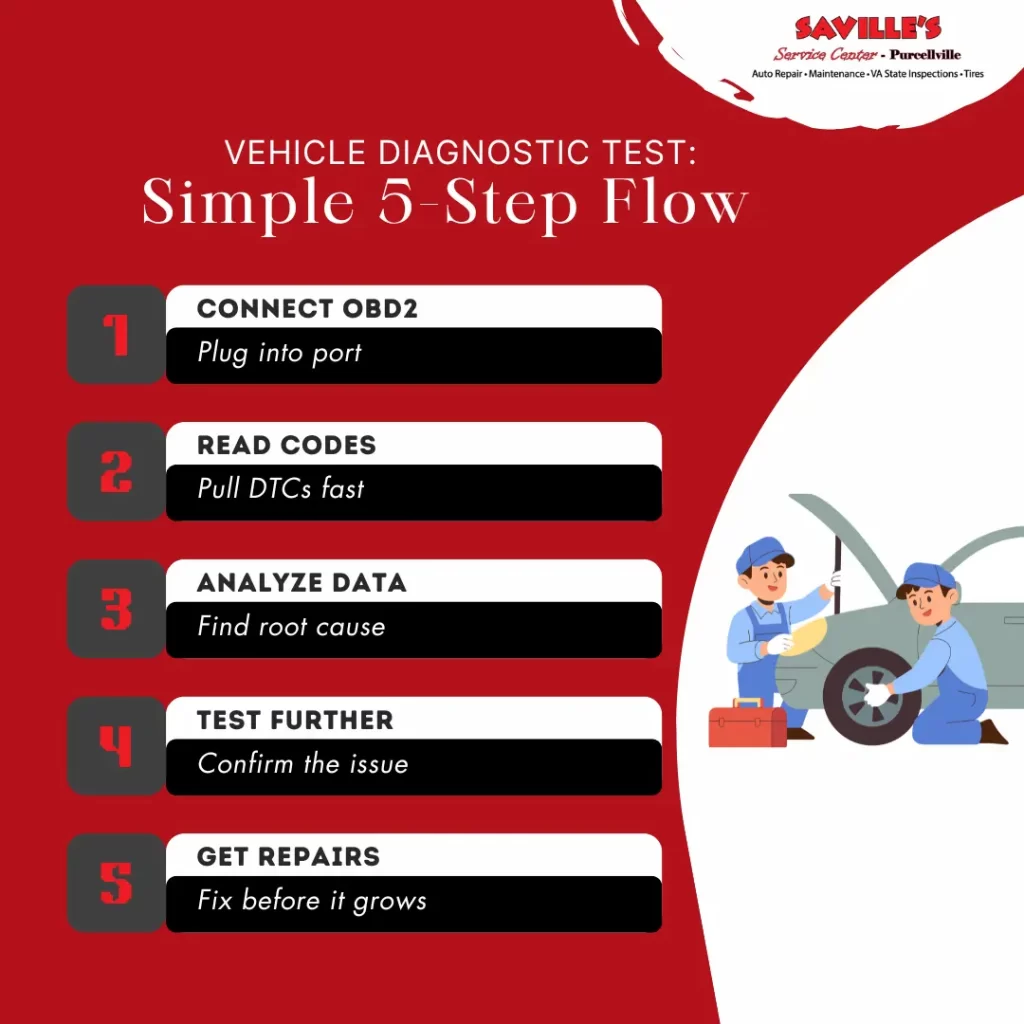
Connect the OBD2 Scanner: The technician connects the scanner to your vehicle’s OBD2 port. Retrieve Codes: The scanner reads diagnostic trouble codes from your vehicle’s computer. Analyze Data: The technician reviews the retrieved codes and any additional data provided by the scanner. Perform Additional Tests: If necessary, further tests may be conducted to pinpoint the issue. Provide Recommendations: Based on the findings, the technician will recommend repairs or further diagnostics. This systematic approach ensures a thorough evaluation of your vehicle’s systems.
Vehicle Diagnostic Test Cost and Influencing Factors
The cost of a vehicle diagnostic test can vary widely based on factors like your vehicle type, issue complexity, and service location. On average, vehicle diagnostic test cost ranges from $60 to $120. Factors affecting the price include: Type of Diagnostic Tool Used: Advanced scanners may cost more. Labor Rates: Different regions have varying labor costs. Additional Tests Required: Further diagnostics can increase the overall cost. Knowing these factors helps you budget effectively for your vehicle maintenance.
Book Your Vehicle Diagnostic Test Today
If you’re searching for a reliable vehicle diagnostic test near me, look no further. We encourage you to book your diagnostic test for vehicle at Saville’s Service Center. Our experienced technicians use the latest diagnostic tools to ensure your vehicle is running at its best.
Early detection of issues can save you money and keep you safe on the road. Visit https://savilleservicecenter.com/ to schedule your appointment today and take the first step toward hassle-free vehicle maintenance.
Frequently Asked Questions
What does a full car diagnostic test consist of?
At Saville’s Service Center, a full car diagnostic test includes connecting an OBD2 scanner to your vehicle to retrieve diagnostic trouble codes, analyzing engine and transmission systems, checking emissions, and assessing overall vehicle performance. This comprehensive approach helps identify any existing or potential issues so they can be addressed promptly.
How much does a diagnostics test on a car cost?
The vehicle diagnostic test cost at Saville’s Service Center typically depends on your vehicle type and the complexity of the diagnostic test needed. We strive to provide transparent pricing and quality service to give you the best value.
Why should I get a diagnostic vehicle test regularly?
Regular diagnostic vehicle tests at Saville’s Service Center help catch problems, prevent costly repairs, improve fuel efficiency, and keep your vehicle running safely and smoothly. Scheduling routine tests is a smart way to maintain your vehicle’s health.
Where can I find a reliable vehicle diagnostic test near me?
Saville’s Service Center offers expert diagnostic services with advanced tools and experienced technicians. Visit our website to book your appointment and experience quality service close to you.